Care by material
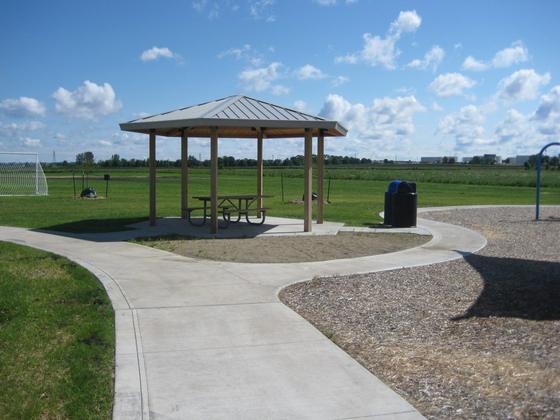
Cedar and pine
Cedar (Western Red and Northern White) has natural oils that resist insects and rot. A water-repellent sealer protects it from the weather and keeps the color. Seal it right after it's built to keep the fresh cedar color, or let it weather to a gray you like first and then use a clear sealer.
Pressure-treated pine is treated against rot and insects. A water-repellent sealer helps stop warping, cracking and splitting. Clear, tinted or a solid-color stain all work. If you'd rather paint it, two coats of exterior acrylic latex paint work well, but never paint the floor: painted floors get slippery.
Reseal every 2 to 4 years, following the product's label. The manufacturer recommends an oil-based stain and sealer such as Cabot. A local paint or lumber store can point you to the right one.

Steel frames
Steel shelters are close to maintenance free. The main job is catching small scratches before they rust: a little rust in a scratch can spread over time.
Touch-up paint: keep some on hand. Scrape off loose paint, rust, grease and oil, lightly sand around the spot, then follow the directions on the can.
Bolts: most hardware is hidden. Check the bolts you can see twice a year. Snug them by hand, then turn them another half to full turn with a wrench.
Wood parts: the roof decking is mostly out of the weather, but look it over a few times a year. Cleaning: wipe down with a mild soap and water.
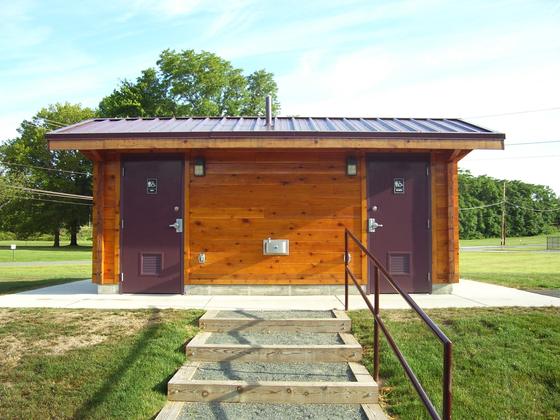
Cedar log walls
Cedar walls arrive unfinished, so they should be sealed when the building goes up. The manufacturer recommends the Perma-Chink Lifeline system: clean the wood, two coats of stain, then a clear topcoat that protects against sun, mold and mildew.
After that, wash the walls now and then with a gentle wood cleaner. When the wood under the finish starts to darken as you wash it, it's time for a fresh topcoat, usually every 3 to 5 years.
Cracks in logs (called checks) are normal as wood dries. Seal the ones that face up and can catch rain, using a flexible sealer made for logs, not regular caulk. Skip the hairline ones.
 Wood shelter care guideCedar and pine · 1 page · PDF
 Steel shelter maintenance1 page · PDF
 Cedar wall buildingsRestrooms and buildings · 1 page · PDF
 How to seal wood cracks2 pages · PDF
 How to clean bare wood4 pages · PDF